Gladstone Park upholstery cleaning tips for pet owners
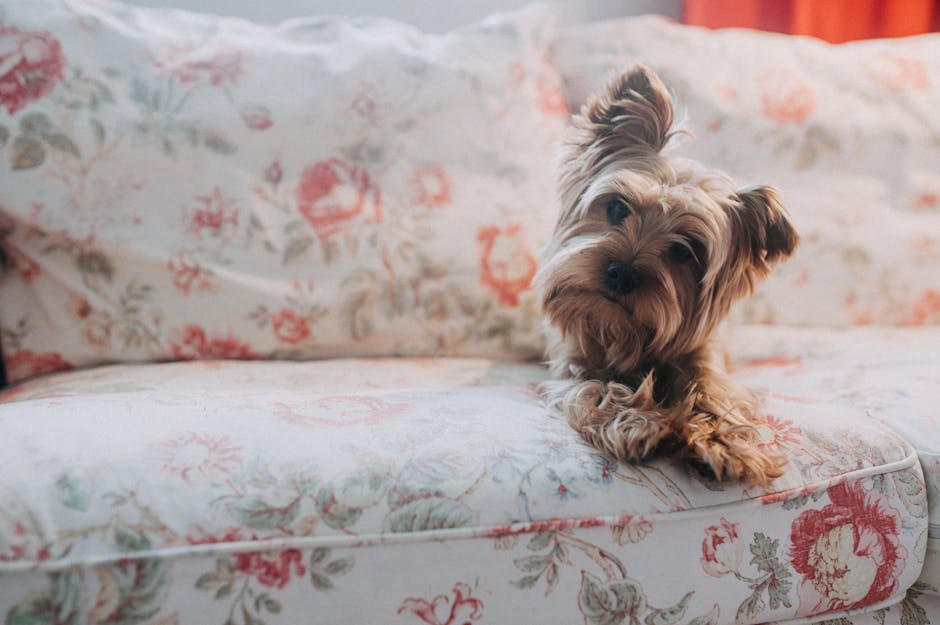
If you live with a dog, cat, or the occasional fur tornado, you already know that upholstery has a short memory for dignity. One muddy paw, one shed-heavy nap, and suddenly the sofa looks like it has been through a rough week. These Gladstone Park upholstery cleaning tips for pet owners are here to help you keep fabric furniture fresher, longer, without making the job harder than it needs to be.
The good news? You do not have to choose between a pet-friendly home and decent-looking furniture. With the right routine, a little prevention, and a sensible approach to stains and odours, you can protect your sofas, armchairs, dining chairs, and cushions from the usual chaos. Let's face it, pets will keep being pets. The trick is learning how to stay one step ahead.
In this guide, you will find practical cleaning steps, common mistakes, product guidance, and a realistic sense of when professional help makes more sense. There is also a checklist, a comparison table, and a few no-nonsense tips that people often miss until the smell has already settled in.
Why Gladstone Park upholstery cleaning tips for pet owners Matters
Pet hair is only the beginning. Upholstery also traps dander, saliva, outdoor dirt, oils from fur, and the occasional accident that no one saw coming. Over time, those things settle into fabric fibres and cushioning, which is why a sofa can look fine on the surface but still smell a bit off when the room warms up. That's the hidden part many people miss.
In a busy household, especially where pets are allowed on soft furnishings, regular upholstery care does more than keep things looking neat. It helps reduce allergens, slows down fabric wear, and stops small marks becoming stubborn stains. If you've ever sat down in the evening and caught a faint whiff of "dog plus rain plus life," you'll know exactly what I mean.
For local homes in Gladstone Park, where front doors open and close all day and pets often move between inside and outside spaces, upholstery can pick up grime quickly. A little routine care now can save you from that awkward point where the furniture looks tired and the smell has become part of the room. Not ideal.
There is also the practical angle. Sofas, dining chairs, ottomans, and cushions are expensive to replace. Good cleaning habits extend their life, preserve the fabric finish, and help keep your home more comfortable for family and visitors. If you want a broader view of fabric care across the home, our upholstery cleaning service page gives a useful overview of what professional cleaning can cover.
How Gladstone Park upholstery cleaning tips for pet owners Works
At its simplest, upholstery cleaning works by removing loose debris first, then lifting soils, oils, and stains from the fabric without over-wetting the material. That order matters. If you scrub too early, you usually push dirt deeper. If you use too much water, you can leave marks, backing damage, or damp smells behind. Bit of a trap, really.
For pet households, the process usually has four parts:
- Dry removal: vacuuming hair, crumbs, and grit from seams, creases, and under cushions.
- Spot treatment: dealing with fresh accidents, food stains, mud, or saliva before they set.
- Deep cleaning: using a suitable method for the fabric, such as low-moisture cleaning or controlled steam-based cleaning where appropriate.
- Odour management: addressing smells in the fabric and padding, not just the visible stain.
Different upholstery fabrics react differently. A hardwearing synthetic blend may handle a damp-cleaning method fairly well, while wool mixes, velvet, linen, and some delicate weaves need more caution. Truth be told, one of the best pet-owner habits is checking the care label before you do anything else. That tiny tag saves a lot of regret.
Professional cleaning can be especially helpful where odour has gone beyond the surface. For those situations, pet stain and odour removal is often the more targeted option, because it focuses on the source rather than just the visible mark.
Key Benefits and Practical Advantages
The obvious benefit is a cleaner sofa. But the real value runs a little deeper than that.
- Better hygiene: regular cleaning helps remove pet dander, dirt, and residue that settle into fibres.
- Less lingering odour: odours from wet fur, accidents, or general pet living can be reduced before they become noticeable to everyone else.
- Longer furniture life: embedded grit acts like sandpaper over time, so removing it helps protect fabric and seams.
- Improved appearance: refreshed upholstery makes the room feel brighter and more cared for.
- Lower stress: if you know how to treat a mark quickly, a small mishap does not turn into a full-scale Saturday disaster.
There is a small emotional benefit too. A clean sofa changes how a room feels. It becomes a place to relax, not something you keep apologising for when someone visits. And yes, that matters.
For households with multiple soft furnishings, a broader cleaning plan can be useful. Seats and chairs often benefit from the same logic as a favourite sofa, while rugs and curtains can hold onto pet-related dust and smells. If you are dealing with several items at once, services like rug cleaning and curtain cleaning may help keep the whole room fresher, not just one piece of furniture.
Who This Is For and When It Makes Sense
This guide is for anyone in Gladstone Park who lives with pets and wants to protect upholstered furniture without overcomplicating things. That includes dog owners dealing with muddy paws, cat owners managing fur and occasional hairballs, and families whose pets think the sofa is their own personal viewing platform.
It also makes sense if you:
- notice pet odour returning shortly after cleaning
- see recurring stains in the same spot
- have pale or textured fabric that shows everything
- keep cushions or throws in rotation and want them to last longer
- are preparing the home for visitors, a tenancy handover, or just a reset after a messy season
If your furniture is heavily soiled, if the filling smells damp, or if you've already tried home methods without much success, it may be time to move beyond spot cleaning. A professional sofa clean can be the sensible next step, especially if the issue involves deeper fibres or recurring pet accidents. The same goes for cushions that keep holding on to smells no matter how many windows you open. You know the type.
Step-by-Step Guidance
Here is a practical approach you can follow at home. Keep it simple, and do not rush the fabric.
- Identify the fabric type. Check the care label and look for any cleaning codes or warnings. If the label says solvent-only, water-based cleaning may not be suitable.
- Remove dry debris first. Vacuum slowly using an upholstery attachment. Pay attention to seams, piping, under cushions, and the back of the piece, because fur loves to hide there.
- Lift loose hair. A lint roller, rubber glove, or fabric brush can help gather embedded hair that a vacuum misses.
- Treat fresh accidents quickly. Blot, do not rub. Use a clean cloth and work from the outside of the stain inward. The goal is containment, not enthusiasm.
- Use the right cleaner sparingly. Test a small hidden patch first. Apply only what you need. Too much product can leave residue, and residue attracts more dirt.
- Allow controlled drying. Open windows where possible, use gentle airflow, and avoid sitting on the area until it is properly dry.
- Check for odour after drying. If the smell remains, the issue may be deeper in the filling or underlayer rather than on the surface.
A useful rule of thumb: clean in layers. First the hair, then the dirt, then the stain, then the smell. That order saves time and generally gets better results.
If you have a sofa with recurring pet traffic, consider building in periodic maintenance rather than waiting for a visible mess. Pairing upholstery care with carpet cleaning can make sense if pets move freely between the floor and furniture, which is almost always the case in real life.
Expert Tips for Better Results
Small habits make a surprisingly big difference. In our experience, the homes that stay cleaner are not the ones that never get messy; they are the ones that deal with mess early and consistently.
- Vacuum weekly, not occasionally. Pet hair builds up fast in seams and around armrests, especially in warmer weather or during shedding seasons.
- Use throws in high-contact zones. A washable throw over the favourite nap spot can save the upholstery underneath. Simple, not glamorous, effective.
- Keep a stain kit ready. A couple of microfibre cloths, a mild fabric-safe cleaner, and gloves are enough for most small incidents.
- Blot sooner than you think you need to. A fresh stain is much easier than a stain that has already dried and settled.
- Work with the fabric, not against it. Velvet, boucle, and textured weaves all need a gentler touch than plain synthetic upholstery.
- Watch the backing and cushioning. If liquid soaks through, the surface may look fine while the inside keeps smelling. That is the bit people forget.
One more thing: if your pet has repeated accidents in the same area, the problem may be behavioural, not just cleaning-related. A recurring stain often means the scent has not been fully removed, so the pet returns to the same place. That is exactly why odour treatment matters.
For harder cases, a more specialist clean is often worth it. A service such as sofa cleaning can help when the furniture needs a deeper, more even refresh than household products can usually provide.
Common Mistakes to Avoid
Pet owners are usually trying to help their furniture, not damage it. Still, a few classic mistakes turn up again and again.
- Scrubbing hard: this spreads the stain and can rough up the fibres.
- Using too much water: upholstery is not a car seat cover. Excess moisture can cause tide marks and long drying times.
- Mixing products: do not combine cleaners unless you are certain they are compatible. Some combinations can damage fabric or create fumes.
- Ignoring the label: the care instructions are there for a reason, even if they look a little boring.
- Only cleaning the visible mark: if the padding underneath is affected, the smell may return.
- Skipping a patch test: colour loss and fabric distortion are not worth the gamble.
Another mistake? Waiting until the sofa is visibly grim before doing anything. By then, the work is slower and the odds of restoring a really fresh finish drop. To be fair, we all put things off sometimes, but upholstery does not forgive procrastination very gracefully.
Tools, Resources and Recommendations
You do not need a cupboard full of special gear, but the right basics help a lot.
| Tool or product | Best use | Why it helps |
|---|---|---|
| Upholstery vacuum attachment | Regular hair and dust removal | Reaches seams and tight spaces without pulling fabric |
| Microfibre cloths | Blotting and gentle wiping | Absorbent, reusable, and less abrasive than rough towels |
| Lint roller or pet hair remover | Surface hair pickup | Useful for quick tidy-ups before guests arrive |
| Fabric-safe cleaner | Spot treatment | Helps lift everyday marks without flooding the material |
| Soft brush | Refreshing nap and lifting debris | Can help loosen dry dirt from textured fabrics |
| Fan or good ventilation | Drying support | Reduces damp smell and helps the upholstery recover faster |
If you are unsure which cleaning method fits your furniture, a professional inspection is often the safest route. The fabric type, padding, and previous treatment history all matter. That is where experienced cleaners can save time and avoid costly mistakes. For especially stubborn marks, stain removal support may be more suitable than general cleaning alone.
And if the issue is beyond upholstery, pet-related dirt tends to migrate. Beds, rugs, and even curtains can all carry traces of hair and odour, which is why whole-room cleaning sometimes gives a better result than tackling one item at a time. A bit more effort upfront, yes, but the room feels properly reset after.
Law, Compliance, Standards, and Best Practice
For most homeowners, upholstery cleaning is a practical maintenance task rather than a regulated one. Still, there are a few sensible standards to keep in mind, especially if you are hiring someone to work in your home.
First, safe product use matters. Cleaning chemicals should be used according to their instructions, with attention to ventilation and fabric compatibility. Second, any professional cleaning work should be carried out with reasonable care, suitable equipment, and an honest assessment of what can and cannot be cleaned safely. Third, if you are receiving a service, clear pricing and transparent terms are part of good practice. Nobody likes surprise add-ons halfway through the job.
It is also wise to check that a company has appropriate insurance and safety processes. For peace of mind, you can review service information such as insurance and safety, health and safety policy, and terms and conditions before booking. If you are comparing options, the pricing and quotes page can help you understand how the service is structured.
For environmentally minded households, fabric cleaning can also tie into a broader sustainability approach: clean and maintain what you own rather than replacing it early. That is why careful upholstery care often aligns nicely with recycling and sustainability thinking, even if the connection is a little indirect.
Options, Methods, and Comparison Table
There is no single best method for every pet household. The right option depends on the fabric, the severity of the mess, and how much time you have. Here is a straightforward comparison.
| Method | Best for | Pros | Limitations |
|---|---|---|---|
| Vacuuming and dry grooming | Routine maintenance | Quick, low risk, good for hair and dust | Will not remove deep stains or odours |
| Home spot cleaning | Fresh spills and small accidents | Convenient, cheap, immediate | Can leave residue or tide marks if done badly |
| Low-moisture professional clean | General refresh for mixed fabrics | Usually faster drying and less risk of overwetting | May not fully solve deep-set odours alone |
| Steam-based upholstery cleaning | Heavier soiling on suitable fabrics | Strong deep-clean effect on compatible materials | Not suitable for every fabric, and moisture control matters |
| Specialist pet stain treatment | Recurrence, odours, and accidents | Targets the source of the smell | May need more than one treatment if contamination is deep |
For many pet owners, the smartest combination is routine home care plus periodic professional attention. If your furniture is hard-wearing and the issue is mostly fur and everyday dirt, light maintenance may be enough. If the fabric is delicate, the smell is persistent, or the stain has travelled into the padding, a professional clean is usually the better call. Simple, really.
Case Study or Real-World Example
A common real-world scenario goes like this. A family in Gladstone Park has a light-coloured three-seater sofa, one energetic spaniel, and a cat who treats the armrest like a sun lounger. The sofa looks okay at first glance, but after a wet week, the living room starts to carry a faint, musky pet smell. The family has already vacuumed a bit, dabbed a few marks, and used a room spray that made things smell floral for about ten minutes.
What actually helped? They started by removing dry hair from the seams and under the cushions, then dealt with a couple of older marks using a fabric-safe spot cleaner. After that, they arranged a deeper upholstery clean to address the odour trapped in the filling. The difference was not just visual. The room felt lighter, the smell dropped away, and they stopped covering the seat with blankets every evening. Which, frankly, is a win for everyone.
The lesson here is pretty clear: when pet mess gets beyond the surface, surface cleaning alone rarely finishes the job. A step-by-step approach gives you a better chance of restoring the furniture properly, and it keeps the problem from circling back two days later.
Practical Checklist
Use this checklist before you clean, or before you decide to book help.
- Check the upholstery care label.
- Vacuum seams, under cushions, and the rear of the furniture.
- Remove loose pet hair with a lint roller or pet hair tool.
- Patch test any cleaner on an unseen area.
- Blot fresh stains instead of rubbing them.
- Keep moisture controlled and drying times realistic.
- Deal with odour as well as the stain itself.
- Inspect cushions and padding for deeper contamination.
- Use throws or covers in the pet's favourite resting spot.
- Schedule regular maintenance before the sofa starts looking tired.
Expert summary: the best upholstery care for pet owners is not about using stronger products. It is about using the right sequence, the right amount of moisture, and the right method for the fabric in front of you.
If you want a more complete fabric-care reset, it can help to coordinate upholstery work with other soft furnishings. For example, a deep clean may also be worthwhile for mattresses if pets sleep nearby, or for rugs in rooms where fur collects. That wider approach often makes the whole home feel calmer, cleaner, and a bit easier to live in.
Get a free quote today and see how much you can save.
Conclusion
Pet ownership and clean upholstery can absolutely coexist. It just takes a sensible routine, the right products, and a bit of honesty about when a mark has become more than a surface issue. In Gladstone Park homes especially, where pets are part of the daily rhythm, upholstery can either be the thing that quietly suffers or the thing that stays in good shape because you keep on top of it. The second option is nicer, obviously.
Start with prevention, move quickly on spills, and do not underestimate the value of proper odour removal. When a sofa begins to hold onto smell, that is usually the sign that deeper treatment is needed. Handle it early, and your furniture lasts longer, looks better, and feels more like part of a cared-for home than an ongoing project. And that, on a rainy London afternoon, is worth quite a lot.
Frequently Asked Questions
How often should pet owners clean upholstery?
For most homes with pets, light vacuuming should happen weekly, with deeper cleaning every few months depending on use, fabric type, and how much shedding or accidental marking you deal with. If a sofa gets heavy daily use, it may need attention more often.
What is the best way to remove pet hair from fabric furniture?
A vacuum with an upholstery attachment is the best starting point. For stubborn hair, a lint roller, rubber glove, or soft fabric brush can help lift what the vacuum misses. Work slowly around seams and under cushions because hair collects there like it owns the place.
Can I use household cleaners on pet stains?
Sometimes, yes, but only if the cleaner is fabric-safe and suitable for the upholstery type. Always test a hidden patch first. Strong or mixed cleaners can leave marks, alter colour, or create residue that attracts more dirt.
Why does my sofa still smell after cleaning?
Usually because the odour has reached beyond the surface and into the cushion or backing. The visible stain may be gone, but the smell remains in the deeper layers. In that case, a targeted pet odour treatment is often needed.
Is steam cleaning safe for pet-friendly upholstery?
It depends on the fabric. Some upholstery handles steam-based cleaning well, while delicate fabrics, water-sensitive materials, or items with special finishes may not. Always check the care label or ask for advice before using heat and moisture.
How do I stop my pet from returning to the same spot?
Make sure the stain and odour are fully removed, not just hidden. Pets often return to areas where they can still smell themselves. You may also want to change the surface temporarily with a washable throw while the area dries and resets.
What fabric types are hardest to clean with pets at home?
Textured fabrics, velvet, linen blends, and delicate natural fibres can be trickier because they show marks easily and can react badly to too much moisture. Synthetic blends are often more forgiving, but they still need care.
Should I clean cushions separately from the sofa frame?
Yes, if they are removable. Cleaning cushions separately helps you reach all sides and dry them more evenly. It also reduces the chance of leaving damp pockets inside the furniture.
How can I protect upholstery between deep cleans?
Use washable throws, keep pet nails trimmed, vacuum regularly, and act quickly on any spill or accident. Small habits make a bigger difference than people expect. Honestly, it is the boring routine bits that do most of the work.
When should I call a professional instead of cleaning it myself?
If a stain is old, the odour keeps returning, the fabric is delicate, or the cushion feels damp inside, professional help is a sensible option. It is also worth booking a specialist clean if you want a full refresh without risking the fabric.
Does professional upholstery cleaning help with allergens from pets?
It can help reduce pet dander, trapped dust, and residues that collect in upholstery fibres. It is not a medical treatment, but it can improve the cleanliness of the room and make the furniture feel much fresher.
Can I use the same approach on chairs, sofas, and rugs?
The general logic is similar, but the method changes with the material. Chairs and sofas may share fabric concerns, while rugs often need different handling because of pile, backing, and floor contact. If you have multiple soft surfaces, a tailored approach works best.